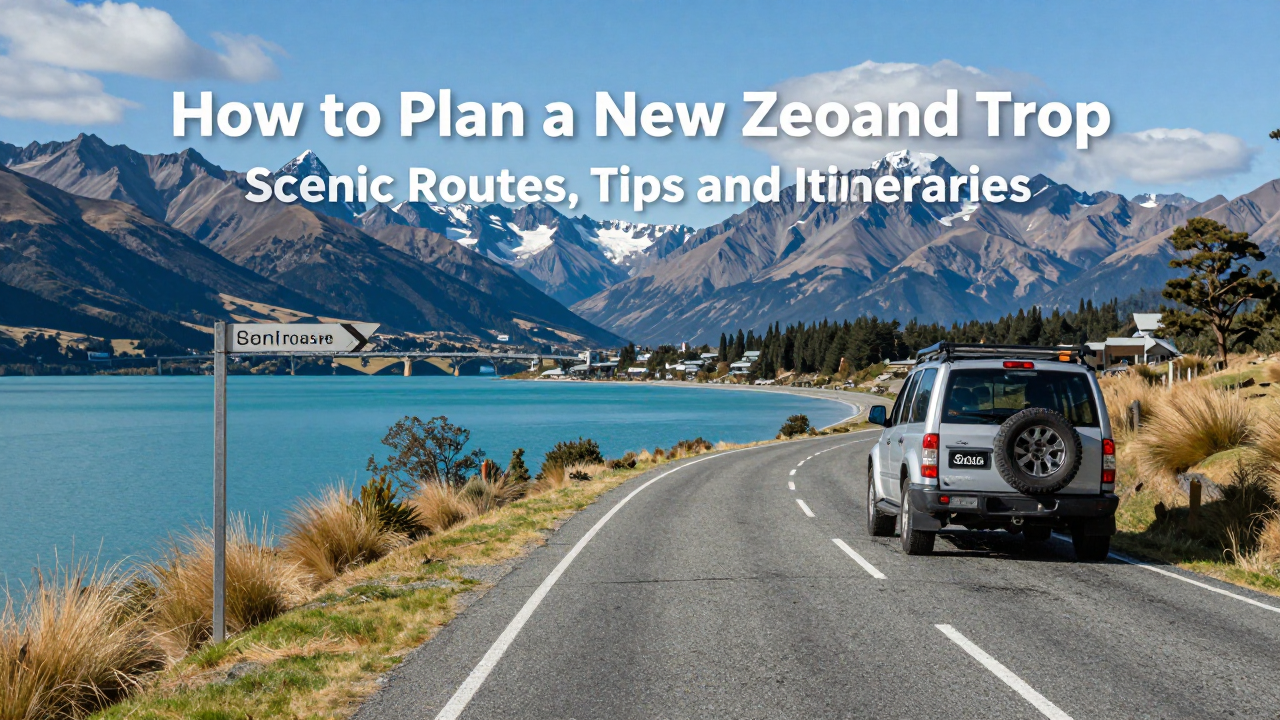
A New Zealand road trip is one of the best ways to experience the country’s dramatic scenery at your own pace. Instead of rushing between airports, you can stop beside turquoise lakes, walk through native forests, visit quiet coastal towns and enjoy mountain views that are often just a short drive away.
However, planning a scenic driving holiday requires more than choosing a few famous destinations. New Zealand has two main islands, winding roads, changeable weather and many attractions that deserve extra time. A realistic plan helps you spend less time behind the wheel and more time enjoying the journey.
This guide explains how to plan a New Zealand road trip step by step, including route selection, driving advice, accommodation, budgeting, packing and practical safety tips.
Step 1: Decide How Many Days You Have
Your available time should determine your route. Trying to cover both islands in a short holiday can make the trip tiring and expensive.
Recommended trip lengths
| Trip Length | Best Option |
|---|---|
| 5–7 days | Explore one region or a compact North Island route |
| 8–12 days | Focus on the North Island or selected South Island highlights |
| 12–16 days | Enjoy a more complete South Island itinerary |
| 18–24 days | Combine major areas of both islands |
| More than 24 days | Add slower travel, hikes and smaller regional destinations |
A week is usually too short for a relaxed journey around both islands. If you have limited time, choose the island that best matches your interests.
- Choose the South Island for mountains, glaciers, alpine lakes and dramatic fiords.
- Choose the North Island for geothermal areas, Māori cultural experiences, beaches, wine regions and volcanic landscapes.
- Choose both islands only if you have enough time to include travel between them.
A slower route is often more enjoyable than a longer route filled with exhausting driving days.
Step 2: Choose the Right Island
Both islands offer beautiful scenery, but the experiences are different.
South Island highlights
The South Island is a strong choice for travellers who want grand landscapes and outdoor experiences. Popular stops include:
- Christchurch
- Kaikōura
- Aoraki/Mount Cook
- Lake Tekapo
- Wanaka
- Queenstown
- Te Anau
- Milford Sound
- The West Coast glaciers
- Abel Tasman National Park
A South Island road trip can include snow-capped peaks, clear lakes, rugged coastlines and rainforest. Roads are often scenic but may also be narrow, winding or affected by weather.
North Island highlights
The North Island combines natural attractions with cities, beaches and cultural experiences. Common stops include:
- Auckland
- Coromandel Peninsula
- Hobbiton and Matamata
- Rotorua
- Taupō
- Tongariro National Park
- Napier and Hawke’s Bay
- Wellington
- Taranaki
- Northland
A North Island route is ideal if you enjoy geothermal activity, coastal scenery, food and wine, Māori heritage and a mixture of urban and rural stops.
Step 3: Select a Scenic Route
The best New Zealand road trip route depends on your arrival airport, travel season and personal interests. Build your journey around a few major destinations rather than trying to visit every attraction.
Sample 10-day South Island itinerary
This route offers a balance of mountains, lakes, wildlife and scenic drives.
| Day | Suggested Plan |
|---|---|
| 1 | Arrive in Christchurch and rest |
| 2 | Drive to Lake Tekapo |
| 3 | Continue to Aoraki/Mount Cook |
| 4 | Travel to Wanaka |
| 5 | Explore Wanaka and nearby viewpoints |
| 6 | Drive to Queenstown |
| 7 | Enjoy Queenstown |
| 8 | Travel to Te Anau |
| 9 | Visit Milford Sound or take a guided excursion |
| 10 | Return toward Queenstown or continue based on your departure plan |
This itinerary is only a framework. Add extra nights if you want to hike, take scenic cruises or allow flexibility for poor weather.
Sample 10-day North Island itinerary
| Day | Suggested Plan |
|---|---|
| 1 | Arrive in Auckland |
| 2 | Explore Auckland or travel toward Coromandel |
| 3 | Enjoy beaches and coastal scenery |
| 4 | Visit Matamata or Hobbiton |
| 5 | Travel to Rotorua |
| 6 | Explore Rotorua’s geothermal and cultural attractions |
| 7 | Continue to Taupō |
| 8 | Visit Tongariro National Park |
| 9 | Travel toward Wellington |
| 10 | Explore Wellington or depart from the city |
A North Island itinerary can be adapted for beaches, hiking, geothermal attractions, food and wine or cultural experiences.
Sample 21-day route covering both islands
If you have three weeks, you can combine the two islands without making every day a long driving day.
- Start in Auckland.
- Travel through Rotorua and Taupō.
- Continue to Wellington.
- Take the Cook Strait ferry to Picton, or fly to the South Island.
- Visit Nelson or Abel Tasman National Park.
- Drive along the West Coast.
- Continue toward Franz Josef or Fox Glacier.
- Visit Wanaka and Queenstown.
- Travel to Te Anau and Milford Sound.
- Finish through Aoraki/Mount Cook, Lake Tekapo and Christchurch.
Do not treat this as a strict schedule. Keep one or two flexible days for weather, road conditions and activities that take longer than expected.
Step 4: Plan Your Driving Distances Carefully
One of the most common planning mistakes is underestimating New Zealand driving times. A route may look short on a map, but mountain roads, one-lane bridges, roadworks, traffic and scenic stops can make the journey longer.
Before finalising your New Zealand road trip itinerary:
- Check the actual driving time between overnight stops.
- Allow time for fuel, meals, viewpoints and rest breaks.
- Avoid planning long drives after an international flight.
- Limit yourself to one major driving section per day when possible.
- Check road conditions before travelling through alpine or remote areas.
- Avoid driving when tired or in poor visibility.
A practical rule is to leave enough time to stop without feeling rushed. Scenic travel is less enjoyable when you spend the entire day watching the clock.
Build in rest days
Add rest days in destinations such as:
- Queenstown
- Wanaka
- Rotorua
- Wellington
- Nelson
- Christchurch
- Taupō
A rest day gives you time to recover, do laundry, explore locally or move an activity if the weather changes.
Step 5: Choose Between a Rental Car and a Campervan
Both options work well, but your choice should match your travel style.
Rental car
A rental car is suitable if you prefer:
- Hotels, lodges or guesthouses
- Easier driving and parking
- More comfort in cold or wet weather
- Shorter journeys between towns
- A flexible but convenient travel style
A small or mid-size car is often easier to handle on narrow roads than a large vehicle. Check the rental agreement carefully, especially if you plan to drive on unsealed roads or cross between islands.
Campervan
A campervan may suit travellers who want:
- More independence
- A camping-focused experience
- Flexible overnight options
- Access to holiday parks
- A slower outdoor-oriented trip
Before choosing a campervan, check its insurance, fuel consumption, sleeping capacity and facilities. Also, confirm where overnight parking is legally permitted. Freedom camping rules can vary by location, and restrictions may apply.
Do not assume that every scenic parking area allows overnight stays. Use official campsites or approved locations when required.
Step 6: Understand New Zealand Driving Rules
New Zealand drives on the left-hand side of the road. Visitors should become comfortable with this before leaving the airport area.
Important driving habits include:
- Keep left unless overtaking.
- Follow posted speed limits.
- Slow down on bends and narrow roads.
- Give way according to local road rules.
- Watch for one-lane bridges.
- Be careful when passing cyclists and farm vehicles.
- Never drive when tired or affected by alcohol.
- Keep your phone away while driving.
- Stop only in safe, legal areas.
Some rural roads have limited services, so fill the tank when you have the opportunity. This is particularly important when travelling through remote areas.
Drive to the conditions
New Zealand weather can change quickly. Rain, wind, fog, snow and ice may affect travel, especially in mountain regions. A clear morning does not guarantee clear conditions later in the day.
Before setting off:
- Check the weather forecast.
- Check official road-condition updates.
- Confirm whether mountain passes or routes are open.
- Carry warm layers and water.
- Tell someone your approximate travel plan when exploring remote areas.
For current travel conditions, use official New Zealand transport and road-information services rather than relying only on a navigation app.
Step 7: Choose the Best Time for Your Trip
New Zealand has four distinct seasons, and each one offers different advantages.
Summer: December to February
Summer generally offers longer daylight hours and is popular for hiking, beaches and outdoor activities. Accommodation and attractions can be busy, so advance booking is useful for popular areas.
Autumn: March to May
Autumn brings colourful foliage in some regions and can be a pleasant time for scenic drives. Temperatures gradually become cooler, particularly in the South Island.
Winter: June to August
Winter is suitable for skiing, snowy landscapes and quieter travel in some areas. However, mountain roads may require extra care, and daylight hours are shorter.
Spring: September to November
Spring can bring fresh landscapes, blooming gardens and changing weather. Some hiking tracks and mountain routes may still have seasonal conditions.
The best time for a New Zealand road trip depends on your priorities. For hiking, check trail conditions before travelling. For skiing, check snow conditions and resort updates. For scenic driving, allow extra flexibility during periods of unsettled weather.
Step 8: Book Accommodation Strategically
You do not need to book every minute of your trip months in advance, but popular destinations can fill quickly during busy periods.
Reserve accommodation early in places such as:
- Queenstown
- Milford Sound and Te Anau
- Aoraki/Mount Cook
- Rotorua
- Abel Tasman
- Franz Josef and Fox Glacier
- Popular coastal areas
- Wellington during major events
For a flexible New Zealand road trip, book the first few nights and your most important destinations in advance. Then leave some space for adjustments.
When comparing accommodation, check:
- Parking availability
- Kitchen facilities
- Laundry access
- Cancellation conditions
- Distance from the town centre
- Whether the property accepts campervans
- Heating and insulation during cooler months
A convenient location can save time and reduce unnecessary driving.
Step 9: Estimate Your Road Trip Budget
Your total cost will depend on the season, vehicle type, accommodation and activities. Instead of focusing only on the daily price, create a complete budget.
Include the following categories:
| Budget Category | What to Include |
|---|---|
| Transport | Flights, rental car or campervan |
| Fuel | Petrol or diesel for the planned route |
| Accommodation | Hotels, lodges, hostels or campsites |
| Food | Restaurants, groceries and packed lunches |
| Activities | Cruises, parks, tours and entry fees |
| Insurance | Travel insurance and vehicle cover |
| Ferry or flights | Inter-island transportation |
| Parking and tolls | Local parking and applicable road charges |
| Emergency fund | Unexpected changes or repairs |
You can reduce costs by preparing some meals, staying outside the most expensive centres and choosing free walks or viewpoints. However, do not remove travel insurance or skip vehicle protection without understanding the risks.
Step 10: Plan Scenic Stops and Experiences
A road trip becomes memorable because of the stops between major destinations. Research viewpoints, short walks, local cafés, beaches and small towns along your route.
Useful stop categories include:
- Short forest walks
- Lakeside viewpoints
- Coastal lookouts
- Local markets
- Historic villages
- Farm shops
- Visitor centres
- Wildlife encounters
- Scenic boat trips
- Māori cultural experiences
Avoid adding too many activities to one day. Choose one main experience and keep smaller stops flexible.
For example, if you plan to visit Milford Sound, leave enough time for the journey and the cruise or excursion. The route itself includes scenic places, and rushing back can make the day unnecessarily tiring.
Step 11: Prepare for the New Zealand Traveller Declaration
Everyone travelling into New Zealand must complete the New Zealand Traveller Declaration, including children and New Zealand passport holders. The declaration collects travel, customs, immigration and biosecurity information.
The official declaration is free and can be completed online or through the official app. Travellers arriving by air can submit it from 24 hours before beginning their trip, according to the official New Zealand Traveller Declaration website.
New Zealand has strict biosecurity rules. Declare food, plant material, animal products and outdoor equipment when required. If you are uncertain about an item, declare it and allow officials to inspect it.
Clean hiking boots, camping equipment and outdoor gear before packing them. This helps reduce the risk of carrying soil, seeds or other unwanted material.
Always check entry requirements for your nationality through official government sources because visa and travel-authorisation rules can change.
Step 12: Pack for Changing Conditions
Even during warmer months, bring layers. Weather can be different from one region to another, particularly when travelling from the coast to the mountains.
Useful packing list
- Waterproof jacket
- Warm fleece or jumper
- Comfortable walking shoes
- Sun hat and sunglasses
- Sunscreen
- Reusable water bottle
- Insect repellent
- Small first-aid kit
- Power bank
- Offline maps
- Travel documents
- Swimsuit
- Quick-drying clothing
- Torch for camping
- Motion-sickness medicine if needed
If you plan to hike, pack according to the track difficulty and forecast. Do not rely on mobile coverage in remote areas.
Step 13: Keep Your Itinerary Flexible
A good New Zealand road trip plan should guide your journey without controlling every hour. Flexibility is valuable because weather, road conditions and activity availability can change.
Keep a backup plan for:
- Rainy days
- Closed roads
- Cancelled cruises
- Fully booked accommodation
- Low visibility at viewpoints
- Unexpected vehicle problems
For example, if a mountain view is hidden by cloud, you can visit a nearby museum, town or short forest walk instead. If an outdoor activity is cancelled, move it to a flexible day rather than rebuilding the entire itinerary.
Common Mistakes to Avoid
Trying to see everything
New Zealand may look compact, but travelling between regions takes time. Choose fewer places and explore them properly.
Planning too many long driving days
Long drives can be tiring, especially on unfamiliar roads. Break up demanding routes with overnight stops.
Ignoring booking seasons
Popular destinations can have limited accommodation. Reserve important stays early during busy travel periods.
Forgetting ferry logistics
If you are taking a vehicle between the North and South Islands, check ferry schedules, vehicle requirements and booking conditions in advance.
Relying only on GPS
Navigation apps may not fully reflect road closures, weather disruptions or temporary restrictions. Check official road updates as well.
Treating every walk as easy
Some New Zealand trails require preparation, suitable clothing and more time than expected. Read the official track information before starting.
A Simple Planning Checklist
Use this checklist before booking your New Zealand road trip:
- Decide how many days you have.
- Choose one island or both.
- Select your main destinations.
- Calculate realistic driving times.
- Compare rental cars and campervans.
- Check the season and expected weather.
- Book key accommodation and activities.
- Arrange travel and vehicle insurance.
- Check ferry or domestic flight options.
- Review road-safety information.
- Complete the New Zealand Traveller Declaration.
- Download maps and save important bookings offline.
- Leave room for rest and unexpected changes.
Conclusion
Planning a New Zealand road trip is easier when you focus on realistic distances, flexible scheduling and the type of scenery you most want to experience. Choose the right island, avoid packing too many destinations into one itinerary and allow time for spontaneous viewpoints and local discoveries.
Before you leave, check official travel, road-condition and entry information. Then book your essential stays, prepare for changing weather and enjoy the journey at a comfortable pace.
Start with one route, a manageable number of stops and a little flexibility. That is the foundation of a safer, smoother and more memorable New Zealand road trip.
Frequently Asked Questions
How many days do I need for a New Zealand road trip?
A one-week trip is best spent exploring one region or one island. Two weeks allows you to see several major destinations, while three weeks or more is more suitable for combining both islands.
Is New Zealand suitable for a self-drive holiday?
Yes. A self-drive holiday gives you flexibility and access to scenic areas, small towns and viewpoints. However, visitors should be comfortable driving on the left and should prepare for narrow, winding roads and changing weather.
Which is better for a road trip: the North Island or South Island?
The South Island is ideal for mountains, lakes, fiords and dramatic alpine scenery. The North Island is better suited to geothermal attractions, beaches, culture, cities and wine regions. Your choice should depend on your interests and available time.
What is the best month for a New Zealand road trip?
There is no single best month for every traveller. Summer is popular for outdoor activities and longer daylight, while autumn and spring may offer different scenery and travel conditions. Winter is suitable for snow-related experiences but requires extra care on some roads.
Should I rent a car or hire a campervan?
Choose a rental car if you prefer hotels and convenient driving. Choose a campervan if you enjoy camping, holiday parks and a more independent travel style. Always check insurance, parking and overnight-stay rules before booking.
Do I need to book accommodation in advance?
Book early in popular destinations and during busy travel periods. For a more flexible trip, reserve your first nights and key locations while leaving some nights open for adjustments.
Are New Zealand roads difficult to drive on?
Many roads are well maintained, but some routes are narrow, winding and mountainous. Drive slowly on bends, allow extra time, follow local road rules and check weather and road conditions before travelling.
What should I know about New Zealand biosecurity?
New Zealand has strict biosecurity requirements. Declare items such as food, plant material, animal products and potentially contaminated outdoor equipment when required. When unsure, declare the item for inspection.